
Lawn
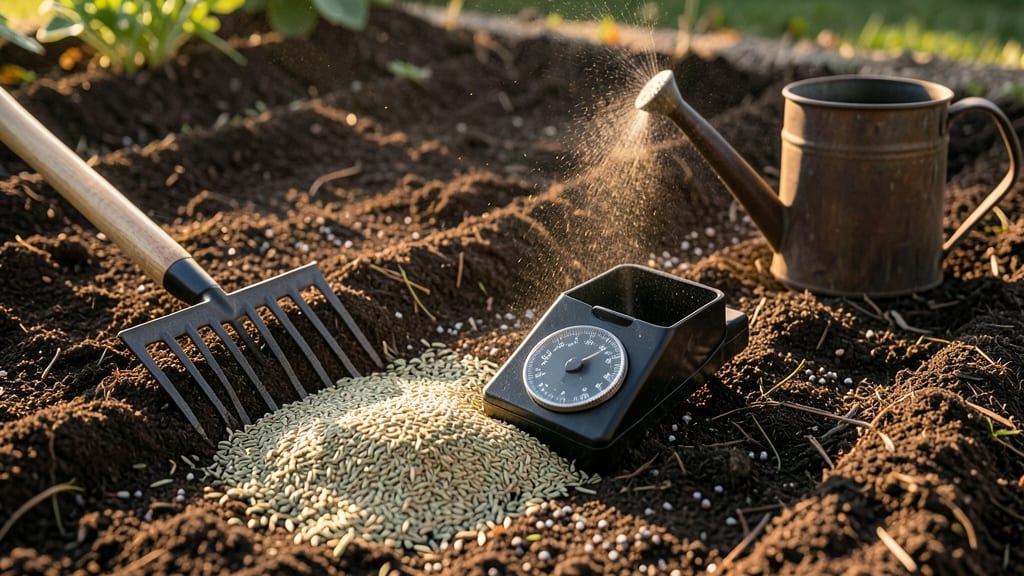
Planting grass seed in autumn creates a lawn that outshines spring starts—cooler temps and steady rains give seeds the perfect head start. 🌱 I’ve seen bare patches transform into thick, green carpets by spring when I followed these autumn secrets, especially in zones with mild winters.
The magic happens in late August to early October when soil stays warm enough for germination but air cools to prevent stress. Choose cool-season grasses like fescue or ryegrass for northern climates, or Bermuda for southern heat.
Prep soil by loosening top 2-3 inches, removing debris, and leveling the area—this prevents uneven growth later. After sowing, keep seeds moist with light watering (no puddles!) and protect them from birds with a thin layer of straw.
Within 10-14 days, you’ll spot tiny sprouts—proof your lawn’s future is already taking root. The key is patience; autumn’s slower growth means stronger roots before winter. Works in most climates, but adjust timing for frost-prone areas: plant early enough for seeds to establish before ground freezes.
Skip this step, and you’ll battle patchy lawns for years. Here’s how to nail it the first time.
📚 In This Guide
- What you need
- Instructions
- Tips and common mistakes
- Wrapping up and next steps
What you need
- ● Grass seed: Choose a high-quality, cool-season variety (e.g., Kentucky bluegrass, fescue, or ryegrass). Aim for 5–10 lbs per 1,000 sq ft, depending on your lawn’s current condition.
- ● Lawn soil tester kit: To check pH levels (ideal range: 6.0–7.0 for most grasses). Adjust with lime or sulfur if needed.
- ● Rake (bow or stiff-bristle): For loosening soil and removing debris. A garden rake with 6–8" tines works best.
- ● Lawn spreader (broadcast or drop): A wheel-type spreader for even distribution (calibrate for your seed type).
- ○ Topsoil or compost: ¼–½ inch layer to improve soil quality (optional but recommended for thin or bare spots).
- ● Water source (hose with sprinkler or watering wand): Ensure gentle, light but frequent watering (see tips below!).
- ● Fertilizer (low-nitrogen, high-phosphorus): Look for a 10-20-10 or 5-10-10 NPK ratio to encourage root growth.
- ● Lawn roller (lightweight): To press seed into soil gently (especially useful for large areas).
- ● Starter fertilizer: Contains higher phosphorus to boost early root development.
- ● Erosion control blanket: For sloped or sandy areas to prevent seed washout.
- ● Gloves & knee pads: Because comfort matters—especially when raking for hours! 😉
- ● Weather forecast: Plan for 48–72 hours of dry weather after planting to avoid mold.
How to plant grass seed in autumn for a thick, lush lawn
Autumn’s mild temperatures and frequent rainfall create the perfect conditions for grass seed to establish deep roots.
🌱 Step 1: Prepare the Soil for Optimal Seed Contact
Start by mowing your lawn as short as possible—about 1 inch tall—to expose the soil and remove dead grass that could block seed-to-soil contact. This is critical: seeds need direct contact with the earth to germinate properly. After mowing, remove any debris or thatch with a rake, focusing on areas where the grass looks thin or bare.
Next, loosen the top ¼ to ½ inch of soil using a garden rake or a specialized lawn aerator if you have one. The goal is to create a rough, textured surface that helps seeds nestle into the soil without washing away. If your lawn has compacted soil, consider renting a core aerator to pull small soil plugs—this opens up channels for roots to grow deeper.
💧 Step 2: Spread Grass Seed Evenly Across the Lawn
Choose a cool, overcast day to plant—this prevents seeds from drying out too quickly. Using a broadcast spreader, apply the grass seed evenly across the entire area. Walk in a crisscross pattern to ensure full coverage, and overlap your passes slightly to avoid missed spots. For a 4,000 square-foot lawn, you’ll need about 8-12 pounds of seed, depending on the blend.
After spreading, lightly rake the area again to press seeds into the soil just enough so they don’t blow away. Avoid burying them too deeply—most grass seeds need only ¼ inch of soil coverage to germinate. If you’re seeding a large area, mark your progress with flags or stakes so you don’t miss any sections.
☀️ Step 3: Water Gently and Consistently for Germination
The first week after planting is the most critical for moisture. Water the lawn lightly 2-3 times daily, keeping the top ½ inch of soil consistently damp. Use a sprinkler with a fine mist setting to avoid dislodging seeds. You’ll know you’re doing it right when the soil looks dark and moist but not soggy—like a wrung-out sponge.
Once the grass reaches about 2 inches tall, you can gradually reduce watering to 1 inch per week, including rainfall. This encourages deeper root growth. Avoid heavy foot traffic or playing on the new grass until it’s fully established—usually after 4-6 weeks. You’ll see the first signs of germination in 7-14 days, depending on the grass type and weather.
✂️ Step 4: Maintain New Growth for a Strong, Thick Lawn
After the grass reaches 3-4 inches tall, mow it to 3 inches to encourage lateral growth and prevent weak, leggy blades. Use a sharp mower blade to avoid tearing the grass. Avoid cutting more than ⅓ of the blade height at once, as this stresses new seedlings. Fertilize lightly with a slow-release, low-nitrogen formula after the first mowing to support root development.
Continue watering deeply but less frequently—aim for 1-1.5 inches per week—to build drought tolerance. In late autumn, reduce watering slightly as temperatures drop, but keep the soil from drying out completely. By spring, your lawn will be thick, resilient, and ready to handle foot traffic and summer heat.
Tips & tricks for perfect autumn grass planting
These simple tricks will help you avoid common pitfalls and get the most out of your autumn lawn project.
Soil Prep Secret: In Step 1, if you have compacted soil, rent a core aerator for just a few hours—it makes all the difference. I learned this the hard way after struggling with poor seed contact in my first attempt. The tiny holes from aeration let roots grow deeper right from the start, giving you stronger grass in spring. For small areas, a garden fork works too—just poke holes every 3-4 inches.
Timing Tip: The instructions mention choosing a cool, overcast day, but here's what nobody tells you—morning is even better. Planting in the early hours prevents afternoon heat from drying out seeds before they have a chance to establish. I've seen seeds dry out completely when planted in mid-afternoon, even with frequent watering. If you must plant later, do it at least 3 hours before sunset.
Watering Watch: During that critical first week in Step 3, set a timer for your sprinkler—2-3 times daily means every 8 hours max. I use a cheap kitchen timer set to go off at 8am, noon, and 4pm. The key is keeping that top ½ inch of soil damp, not soggy. You'll know you're doing it right when the soil feels like a wrung-out sponge—dark and moist but not dripping.
Grass Type Insight: The instructions don't specify grass types, but cool-season grasses like fescue and ryegrass thrive in autumn. If you're planting a mix, check the package—some blends need slightly more water initially. I always add a sprinkle of compost to the soil before planting; it gives the seeds a nutrient boost while they germinate, especially important if your soil is sandy or clay-heavy.
Pro Tips for Planting Grass Seed In Autumn
- These simple tricks will help you avoid common pitfalls and get the most out of your autumn lawn project.
- Soil Prep Secret: In Step 1, if you have compacted soil, rent a core aerator for just a few hours—it makes all the difference.
- Timing Tip: The instructions mention choosing a cool, overcast day, but here's what nobody tells you—morning is even better.
Frequently asked questions
Got questions about nailing that autumn grass seed project? You’re not alone! Here are answers to the most common queries—so you can plant with confidence and enjoy a lush lawn come spring.
What’s the best time to plant grass seed in autumn?
For most regions, aim for late summer to early fall (around 6–8 weeks before the first frost). This gives seedlings time to establish roots before winter. In warmer climates, late October to November works best, while cooler areas can stretch into early December.
Do I need to overseed my entire lawn, or can I spot-treat bare patches?
Both work! Overseeding covers the whole lawn for even growth, while spot-treating fixes thin or bare areas. For spot repairs, mark the patch, loosen soil, and apply seed—just avoid walking on it until roots form. Overseeding is ideal for reviving tired lawns, but spot-treating saves time and seed.
How do I keep birds and squirrels from eating my grass seed?
Use a lightweight straw or erosion control blanket to shield seeds until germination (about 10–14 days). For stubborn critters, try bird repellent granules or scatter seeds by hand instead of broadcasting. A light layer of mulch or peat moss also helps deter snacking pests!
What if my soil is too hard or compacted for seeds to grow?
Don’t worry—fix it with a garden rake or aerator first! Loosen the top 1–2 inches of soil to help roots penetrate. For heavy clay, mix in compost or sand to improve drainage. Water gently afterward to settle seeds into the soil without washing them away.
Can I plant grass seed in autumn if I have pets or kids?
Yes, but wait until seeds germinate (usually 7–21 days) before letting pets or kids play on the area. Use pet-safe seed like Kentucky Bluegrass or Fescue, and avoid fertilizers with high nitrogen until roots are established. A temporary fence or sign can also remind little ones to stay off!
What’s the deal with “cool-season” vs. “warm-season” grass seed?
Cool-season grasses (like Fescue or Ryegrass) thrive in autumn’s mild temps, while warm-season types (like Bermuda or Zoysia) prefer spring planting. Check your grass type—if you’re unsure, ask a local nursery! Autumn is perfect for cool-season seeds but risky for warm-season varieties.
Wrapping up and next steps
Autumn is your secret weapon for a thicker, greener lawn—cooler temps, fewer weeds, and perfect growing conditions make it the ideal time to plant grass seed. 🌱 By following the right steps—prepping soil, choosing the best seed, and maintaining moisture—you’ll set your lawn up for success next spring. Don’t wait—grab your gloves and get started!
Ready to take action? Mark your calendar for early fall (before the first frost) and gather your supplies. Once your lawn is planted, check out our post-planting care guide to keep your grass lush all season long.