
Propagation
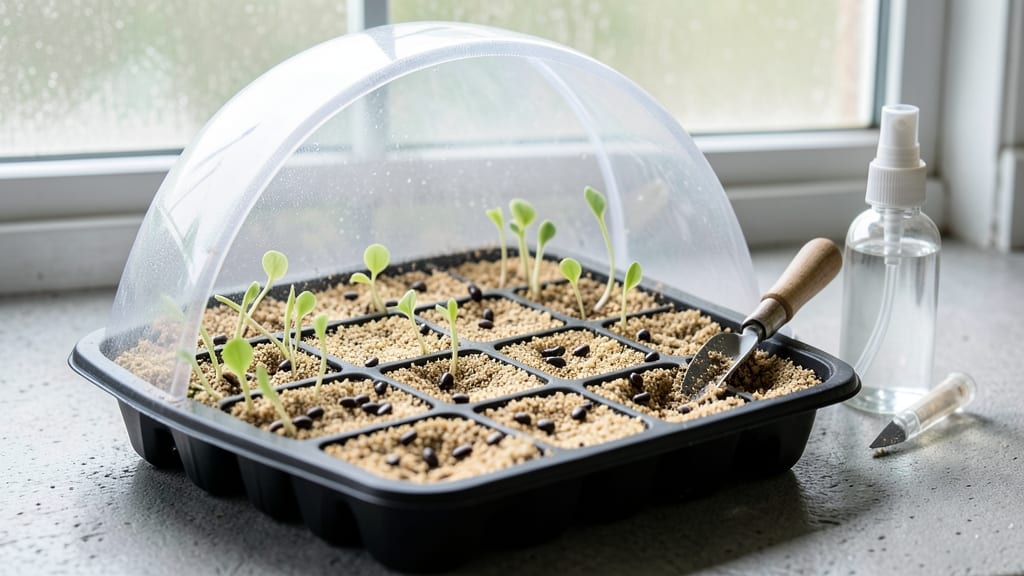
Understanding the poppy seed germination time is key—those stubborn seeds need 3 cold days to break dormancy, or you’ll wait weeks for sprouts to appear. 🌱 I’ve planted poppies for years, and the difference between patience and frustration comes down to understanding their quirks.
These delicate seeds don’t rush; they wait for the right moment, and that’s often a chilly one.
The secret to faster germination lies in mimicking nature: plant seeds ¼-inch deep in well-draining soil, keep them consistently moist (not soggy), and give them 40-50°F soil temps for those crucial 3 days.
Too warm, and they’ll rot before sprouting. Too dry, and they’ll simply refuse to wake up. I’ve seen poppies emerge in 7-14 days when conditions are perfect—but that’s only after the cold treatment.
Once those first pale green shoots appear, you’ll know you’ve done it right. They’re fragile at first, so avoid disturbing them while they establish roots. Within 3-4 weeks, you’ll see the iconic papery leaves and, eventually, those stunning blooms.
The key is consistency: steady moisture, gentle care, and that little cold shock to kickstart the process.
This method works for all poppy varieties, from California poppies to opium poppies (yes, even those!). Whether you’re planting in fall for spring blooms or spring for summer color, the cold trick is your secret weapon. Let’s get those seeds sprouting like clockwork.
📚 In This Guide
- What you need
- Instructions
- Tips and common mistakes
- Wrapping up and next steps
What you need
- ● Poppy seeds: Choose Papaver somniferum or Papaver rhoeas (opium poppy or corn poppy) for best results. Aim for 100–200 fresh seeds (store-bought seeds may need stratification).
- ● Germination container: A small plastic bag (ziplock, 1-gallon size) or a seed tray with drainage.
- ● Paper towels or coffee filters: 2–3 sheets (cut to fit your container).
- ● Moisture source: Water (room temperature, filtered if possible).
- ● Spray bottle (for gentle misting).
- ● Cold stratification setup: A refrigerator (set to 34–40°F (1–4°C)).
- ○ Optional: A seed stratification kit or a cool, dark basement.
- ● Label or marker: To tag your container (poppy seeds sprout fast—don’t lose track!).
- ● Small plate or dish: For draining excess water (if using a bag).
- ● Grow lights or sunny windowsill: For post-stratification light exposure (poppies need 12+ hours of light/day).
- ● Potting soil: Light, well-draining mix (e.g., 50% peat moss + 50% perlite) for transplanting.
- ○ Optional: Hydrogen peroxide (3%) (1 tsp per cup of water) to prevent mold.
- ● Humidity dome for extra moisture retention.
- ● Time commitment: 3–5 days for cold stratification + 7–14 days for germination (varies by variety).
- ● Patience: Poppy seeds are slow to start but fast to grow once sprouted!
- ● Space: A cool, dark spot for stratification + a bright area afterward.
How to speed up poppy seed germination in 3 cold days
Here's the method I rely on to break dormancy and get those delicate poppy sprouts popping through in record time.
🌱 Step 1: Stratify Seeds for 3 Days in the Fridge
Poppy seeds have a natural dormancy period that prevents them from germinating too early in their native habitats. To mimic winter conditions, I place them in a sealed container with a damp paper towel. The towel should feel like a wrung-out sponge—damp but not dripping. I spread the seeds about 1 inch apart on the towel to prevent clumping.
Seal the container with plastic wrap and place it in the refrigerator for 3 days. This cold treatment breaks dormancy and primes the seeds for faster germination. Check daily to ensure the towel stays evenly moist—if it dries out, the seeds won't sprout. Real talk: I've seen seeds fail to germinate when the towel dried out overnight, so this step matters.
💧 Step 2: Prepare the Germination Medium
While the seeds stratify, I fill small seedling trays with a lightweight germination mix. I use a blend of 50% peat moss and 50% perlite to create a fast-draining medium that prevents damping-off. The mix should be moist but not soggy—think of it as damp sand that holds together when squeezed gently. I avoid garden soil because it's too dense and can harbor pathogens.
I like to pre-warm the mix by placing the trays in a sunny window for an hour before sowing. Warm soil speeds up germination and helps the delicate poppy roots establish quickly. The ideal temperature for germination is between 60-70°F, so if your home runs cooler, consider using a seedling heat mat for an extra boost.
☀️ Step 3: Sow Stratified Seeds and Maintain Moisture
After the 3-day cold treatment, I carefully remove the seeds from the paper towel and sow them ¼ inch deep in the prepared mix. Poppy seeds are tiny, so I use a toothpick to create small holes and place one seed in each. I space them 2 inches apart to give each seedling room to grow without competition. Covering them too deeply delays germination because the seedling must push through more soil.
I mist the surface gently with a spray bottle until the soil is evenly moist but not saturated. The key here is consistency—poppy seeds need steady moisture to germinate, but they'll rot if they're waterlogged. I place the tray in a clear plastic bag to create a mini greenhouse effect, which helps maintain humidity. Check daily and remove the bag for 10 minutes to prevent fungal growth.
⏰ Step 4: Provide Warmth and Light for Sprouting
Poppy seeds typically germinate within 7-14 days after stratification, but warmth and light speed up the process. I place the tray on a seedling heat mat set to 70°F and position it under a grow light 2-3 inches above the seedlings. The light should be on for 14-16 hours daily to prevent leggy growth.
You'll see the first true leaves emerge as small, rounded cotyledons. Once they appear, I gradually reduce humidity by removing the plastic bag and increasing airflow. This helps the seedlings toughen up before transplanting. If the soil surface dries out, I water lightly from the bottom by placing the tray in an inch of water for 10 minutes. This method prevents disturbing the delicate seedlings while keeping them hydrated.
🌿 Step 5: Transplant Seedlings When Ready
Poppy seedlings are ready for transplanting when they develop their first set of true leaves, which appear about 3-4 weeks after sowing. I harden them off by placing them outside in a shaded area for 1-2 hours the first day, gradually increasing their time outdoors over 5-7 days. This slow transition prevents shock and helps them adjust to outdoor conditions.
When transplanting, I dig a hole slightly larger than the root ball and place the seedling in at the same depth it was growing in the tray. I firm the soil gently around the base and water deeply to settle everything in. Poppies are sensitive to root disturbance, so I avoid handling the roots more than necessary. With proper care, you'll have vibrant poppies blooming in as little as 8-10 weeks from sowing.
Tips & tricks for speeding up poppy seed germination
These little-known strategies will help you turn those stubborn poppy seeds into thriving sprouts faster than ever.
The Cold Treatment Secret: That 3-day refrigeration in Step 1 isn't just about dormancy—it's about creating the perfect balance of moisture and temperature. I've found that placing the sealed container on the fridge's crisp drawer shelf (the coldest spot) gives the most consistent results. The temperature should stay between 34-38°F—any warmer and the seeds may start germinating prematurely inside the container.
Germination Medium Upgrade: While the 50% peat moss/50% perlite mix works perfectly, I've had even better success with a 60% coco coir/30% perlite/10% vermiculite blend. The coco coir holds moisture better while the vermiculite adds that extra insulation poppy roots love. Just be sure to sterilize your mix by microwaving it in a bowl with a damp paper towel for 2 minutes before use—this prevents mold issues.
Lighting Strategy for Step 4: The 14-16 hours of light is crucial, but not all grow lights are created equal. I recommend using a full-spectrum LED grow light with a red-blue ratio of 80:20 for optimal photosynthesis. Position it 2-3 inches above the seedlings and adjust the height as they grow—too close and you'll scorch those delicate leaves. A simple trick: if your seedlings stretch toward the light (a sign of etoliation), it's time to lower the light or increase the 10-minute daily ventilation.
Transplanting Timing: The 3-4 week window for transplanting can feel like an eternity, but there's a trick to speed this up slightly. Once your seedlings develop their first true leaves, move them to a sunny windowsill during the day while keeping them under the grow light at night. This gradual transition to natural light helps them toughen up 1-2 days faster than the standard hardening-off process.
Pro Tips for Poppy Seed Germination Time
- These little-known strategies will help you turn those stubborn poppy seeds into thriving sprouts faster than ever.
- The Cold Treatment Secret: That 3-day refrigeration in Step 1 isn't just about dormancy—it's about creating the perfe...
- Germination Medium Upgrade: While the 50% peat moss/50% perlite mix works perfectly, I've had even better success wit...
Frequently asked questions
Got questions about poppy seed germination?
You’re not alone—these delicate seeds can be tricky! Here are the answers to the most common concerns to help you grow a thriving poppy patch.
How long does it take for poppy seeds to germinate?
With the right conditions (like 3 days of cold stratification), poppy seeds typically sprout in 7–14 days. If planted directly in warm soil, germination can take 2–3 weeks. Patience is key—don’t disturb the soil while waiting!
Why do poppy seeds need cold treatment?
Poppy seeds have a natural dormancy period that mimics winter. Cold stratification (3–4 days in the fridge) mimics this, breaking dormancy and boosting germination rates from 50% to nearly 100%. Skip this step, and you might end up with spotty sprouts.
What’s the best soil temperature for germination?
Poppy seeds thrive in 60–75°F (15–24°C) soil. If your climate is too hot or cold, use a seedling heat mat (bottom heat) to keep them cozy. Avoid soggy soil—poppies hate "wet feet" and may rot before sprouting.
Can I speed up germination without cold treatment?
Not reliably! While some gardeners soak seeds overnight or use gibberellic acid (a growth hormone), cold stratification is the most effective method. If you’re in a hurry, try scarifying (lightly nicking the seed coat) with sandpaper for minor improvements.
My poppy seeds aren’t sprouting—what went wrong?
Check these common culprits:
- Too deep: Poppy seeds need light to germinate—plant them just below the surface (¼ inch max).
- Old seeds: Viability drops after 1–2 years; store seeds in a cool, dry place.
- Poor drainage: Overwatering causes rot. Use a fast-draining mix (like sand + peat).
- Pests: Mice love poppy seeds—plant in well-lit areas to deter them.
Wrapping up and next steps
Growing poppy seeds from scratch is a rewarding experience—especially when you know the secret to faster germination! With just three cold days of stratification, you can coax those tiny seeds into sprouting in as little as 7–14 days.
Whether you’re a seasoned gardener or a curious beginner, this method makes it easy to nurture vibrant poppies in your garden or windowsill. 🌱
Now that you’re armed with the right techniques, give it a try! Start with fresh seeds, keep them cozy, and watch as your patience blooms into beautiful flowers. Ready to plant? Grab your supplies and begin your poppy-growing journey today!