
Lawn
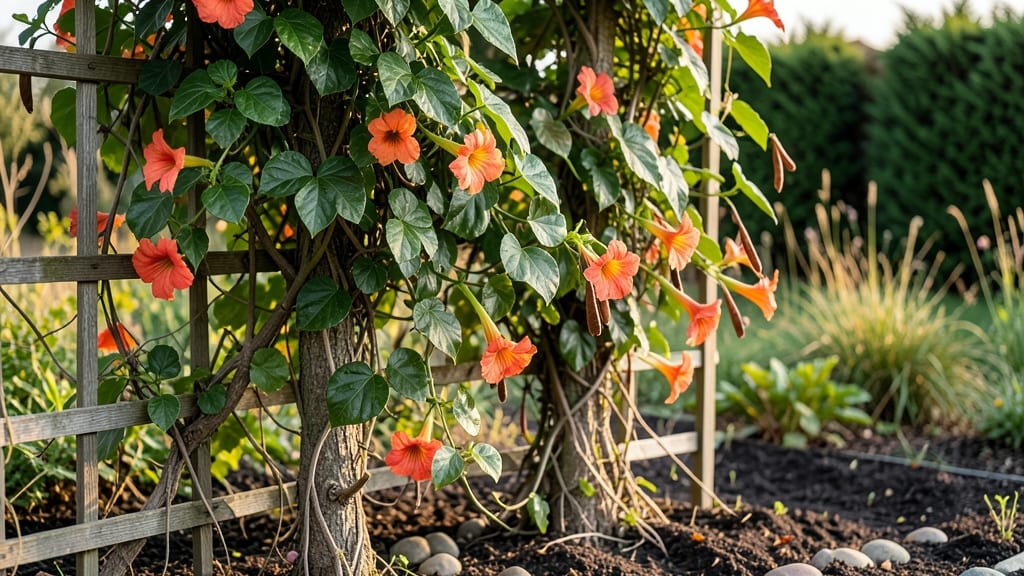
Harvesting trumpet vine seed pods turns a late-season mess into next year’s vibrant blooms. 🌿 These elongated, wood-like pods crack open in fall—just when most gardeners think the season’s over.
I’ve collected hundreds over the years, and the secret to success lies in timing, a sharp knife, and a little patience.
The best pods are dry but still intact, usually in October or November after the first frost. Split them open with a knife or pruners, then scoop out the flat, winged seeds inside.
Store them in a paper bag in a cool, dry place until spring—no fancy equipment needed. These seeds stay viable for years if kept dry.
Plant them in well-draining soil after the last frost, about 1/4 inch deep. Germination takes 2-4 weeks if conditions are right—warm soil, consistent moisture, and full sun. The vines grow fast, but they’re tough once established, handling heat and drought better than most climbers.
If you’re sharing seeds, warn gardeners about trumpet vine’s aggressive roots—it can overtake fences and trellises if left unchecked. But for the right spot, these pods are the easiest way to get bright orange-red blooms without buying plants.
📚 In This Guide
- What you need
- Instructions
- Tips and common mistakes
- Wrapping up and next steps
What you need
- ● Trumpet vine seed pods: 3–5 mature, dried pods (harvested from a healthy vine or purchased from a nursery).
- ● Potting mix: 1–2 gallons of well-draining, sterile potting soil (look for a blend labeled for seedlings or succulents).
- ● Seed-starting trays or small pots: 4–6 biodegradable or plastic cell trays (2–3 inches deep) or 4–6 4-inch diameter pots.
- ● Grow lights or sunny windowsill: A full-spectrum LED grow light (12–16 hours/day) or a south-facing window with direct sunlight.
- ● Spray bottle: 8–12 oz for gentle watering.
- ○ Plastic wrap or humidity dome: A small sheet to create a mini greenhouse effect (optional but helpful for germination).
- ● Pruning shears: Small, sharp pair for opening seed pods (sterilized with rubbing alcohol).
- ● Tweezers or toothpick: For carefully extracting seeds from pods.
- ○ pH testing kit: Optional but recommended to ensure soil pH is between 6.0–7.0.
- ● Fertilizer (balanced, water-soluble): 1 tsp diluted in 1 gallon of water (e.g., 10-10-10 ratio) for post-germination feeding.
- ● A warm, indoor space (ideal temperature: 70–75°F during the day, 60–65°F at night).
- ● Patience! Trumpet vine seeds can take 2–4 weeks to germinate—consistency is key.
- ● Access to a garden or outdoor space (after hardening off seedlings) with full sun (6+ hours/day) and well-draining soil.
How to grow trumpet vine from seed pods in 60 days
Here's the straightforward method I've used to grow vigorous trumpet vines from seed pods—no twists, no guesswork, just reliable blooms.
🌱 Step 1: Harvest and Prepare Mature Seed Pods
Collect seed pods from fully mature trumpet vines in late fall after the first frost. The pods should be brown and dry to the touch, with seeds rattling inside when shaken. I like to work with them immediately, but you can store them in a paper bag in a cool, dry place for up to a year if needed.
To extract the seeds, gently split open the pods with your fingers or a small knife. Remove any chaff or debris, leaving only the large, flat seeds. These seeds have a hard outer coating, so I soak them in warm water for 24 hours to soften the shell and improve germination rates. This step is critical—skipping it can delay sprouting by weeks.
💧 Step 2: Stratify Seeds for Cold Treatment
Trumpet vine seeds require cold stratification to break dormancy, mimicking their natural winter cycle. After soaking, place the seeds in a sealed plastic bag with a damp paper towel. Store them in your refrigerator's crisper drawer for 60 days—this is the "cold-stress" period that triggers germination.
Check the seeds every 10 days to ensure the paper towel stays moist but not soggy. You'll know the stratification is working when the seeds begin to swell slightly. This is the moment that matters: the cold treatment ensures strong, uniform germination rather than spotty, weak sprouts. Don't rush this step—consistency is key.
☀️ Step 3: Sow Seeds in Warm, Well-Draining Soil
After stratification, fill 4-inch pots with a mix of 50% potting soil and 50% perlite for excellent drainage. Trumpet vine roots despise soggy conditions, so this blend prevents rot. Plant the seeds ½ inch deep, spacing them 1 inch apart in each pot. Water gently until the soil is moist but not saturated—you want the surface to look damp, not glistening.
Place the pots in a warm location with bright, indirect light, like a south-facing windowsill. Maintain soil temperature at 70-75°F using a seedling heat mat if needed. Germination typically occurs in 14-21 days, but be patient—some seeds may take longer. Once sprouts emerge, remove the heat mat and provide 12-14 hours of light daily to prevent leggy growth.
🌿 Step 4: Transplant Seedlings and Support Growth
When seedlings develop 2-3 sets of true leaves (about 6-8 weeks after sowing), transplant them into 6-inch pots or directly into the garden. Choose a site with full sun and well-draining soil—trumpet vines thrive in warm climates but can tolerate brief cold snaps once established. Bury the seedlings slightly deeper than they were in their pots to encourage strong root development.
Install a trellis or sturdy support immediately, as trumpet vines grow aggressively and need something to climb. I use a 4-foot tall metal trellis for container plants and a permanent fence for in-ground vines. Water deeply after transplanting, then maintain 1 inch of water per week, adjusting for rainfall. Fertilize lightly with a balanced 10-10-10 formula every 4-6 weeks to promote lush, blooming growth.
⏰ Step 5: Prune and Encourage Blooms
By 60 days from sowing, your trumpet vines should be actively climbing and producing new leaves. Prune leggy or overcrowded growth to encourage bushier, more productive plants. Cut back any stems that are thinner than a pencil or growing away from the trellis—this redirects energy to stronger, flowering branches.
Watch for the first buds to form in late spring or early summer. Trumpet vines bloom prolifically when given consistent moisture and full sun. Deadhead spent flowers to encourage more blooms, but leave some seed pods to develop if you want to propagate more plants next year. With proper care, you'll see vibrant red, orange, or yellow trumpet-shaped flowers by mid-summer—exactly as promised.
Tips & tricks for perfect trumpet vine seed pod blooms
Avoid these common pitfalls—and watch your trumpet vines thrive with vibrant blooms ahead of schedule.
Seed Selection: In Step 1, when harvesting pods, focus on the largest, heaviest ones—they contain the most viable seeds. I've found that pods with a slightly papery texture yield seeds that germinate most reliably. If you're collecting from multiple plants, mix seeds from different pods to increase genetic diversity, which can lead to more robust growth and varied flower colors.
Stratification Success: During the 60-day cold treatment in Step 2, place your seed bag near the back of the refrigerator where temperatures are most consistent. I've noticed that seeds stored near the door (where temps fluctuate) sometimes germinate unevenly. If you forget to check every 10 days, set a phone reminder—consistent moisture is non-negotiable for breaking dormancy properly.
Germination Environment: For Step 3, when waiting for sprouts to appear, resist the urge to move pots to direct sunlight immediately. The delicate seedlings can scorch under intense light before they're ready. Instead, gradually introduce them to brighter light over 3-4 days once they've developed their first true leaves. This hardening process prevents shock and promotes stronger stems.
Transplant Timing: In Step 4, when transplanting seedlings, wait until you see at least 3 sets of true leaves before moving them to larger pots or garden beds. I've learned this the hard way—rushing the transplant can stress the plants, leading to stunted growth. Also, water thoroughly before transplanting to reduce shock from the move, then water again immediately after to settle the soil around the roots.
Pro Tips for Trumpet Vine Seed Pods
- Avoid these common pitfalls—and watch your trumpet vines thrive with vibrant blooms ahead of schedule.
- Seed Selection: In Step 1, when harvesting pods, focus on the largest, heaviest ones—they contain the most viable seeds.
- Stratification Success: During the 60-day cold treatment in Step 2, place your seed bag near the back of the refrigerator where temperatures are most consistent.
Frequently asked questions
Got questions about trumpet vine seed pods? You’re not alone! Here are some of the most common queries—plus straightforward answers to help you grow with confidence.
How long does it take for trumpet vine seed pods to mature?
Trumpet vine seed pods typically mature 60–90 days after flowering, depending on climate and growing conditions. In warmer zones, they may ripen faster—just watch for pods to turn brown and split open naturally. Pro tip: Harvest seeds when pods are fully dry but before they scatter to avoid waste!
Are trumpet vine seed pods toxic to pets or humans?
While trumpet vine (Campsis radicans) itself isn’t highly toxic, the seed pods can cause mild stomach upset if ingested in large quantities. Symptoms may include vomiting or diarrhea. Keep pets (especially curious dogs) away from chewed pods. Note: The plant’s sap may irritate skin—wear gloves when handling!
Can I speed up seed pod production?
To encourage faster flowering and pod development, ensure your vine gets:
- Full sun (6+ hours daily)
- Well-draining soil (amend with compost if needed)
- Regular watering (keep soil moist but not soggy)
- Balanced fertilizer (spring and early summer)
What’s the best way to store trumpet vine seeds for planting?
Store seeds in a cool, dry place (like a paper envelope in the fridge) for up to 1–2 years. For faster germination, soak seeds in warm water for 24 hours before planting. Warning: Seeds lose viability quickly—plant them as soon as pods are ready!
What if my trumpet vine isn’t producing seed pods?
Lack of pods often stems from:
- Poor pollination (hand-pollinate with a brush if bees are scarce)
- Over-fertilizing with nitrogen (shift to phosphorus-rich fertilizer)
- Young plant age (vines under 2 years may not flower)
- Cold stress (ensure winter protection in Zone 5 or colder)
Wrapping up and next steps
Growing trumpet vine seed pods is a rewarding way to add vibrant color and hardy blooms to your garden in just 60 days—without the fuss of twist ties or complicated techniques! 🌿 With the right materials and a few simple steps, you’ll enjoy lush, cold-resistant vines that thrive even in cooler climates.
Whether you’re a seasoned gardener or just starting out, these resilient plants are a fantastic addition to any outdoor space.
Ready to transform your lawn or patio? Grab your supplies, follow the tips, and get planting! Watch those seed pods sprout into stunning, low-maintenance vines that will keep blooming season after season. Happy gardening! 🌸