
Lawn
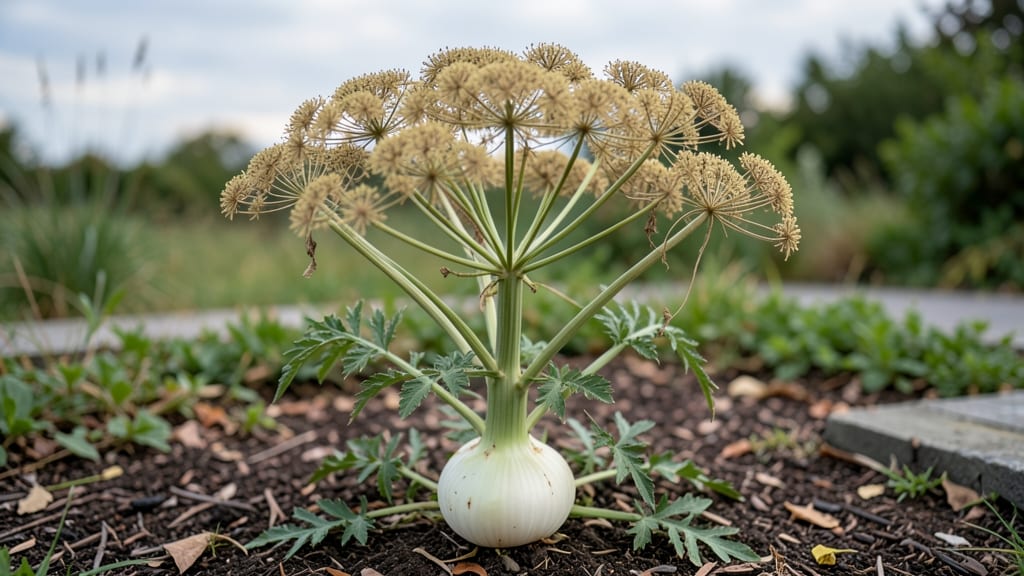
Harvesting fennel seed heads turns a finicky plant into a reliable seed producer—and it’s easier than you think. 🌿 I’ve saved seeds from my fennel for years, and once you master the timing, you’ll have enough for next season’s garden (or to share with fellow plant lovers).
The key is patience: let those feathery seed heads fully mature before cutting, usually 8-10 weeks after flowering. A gentle shake should release seeds easily—if they’re still stuck, dry them indoors for another week.
I’ve even saved seeds from plants grown in containers, proving you don’t need a big yard. Once dry, store seeds in a cool, dark place for up to 3 years. They’re great for growing more fennel, but also for teas, garnishes, or even bird feeders.
The slight anise flavor makes them versatile too. Avoid harvesting too early—immature seeds won’t germinate well. And watch for spider mites on dry heads; a quick spray keeps them from ruining your harvest.
📚 In This Guide
- What you need
- Instructions
- Tips and common mistakes
- Wrapping up and next steps
What you need
- ● Mature fennel plants: Choose 2–3 healthy, fully grown fennel plants (at least 18–24 inches tall) with well-developed seed heads (brown, papery, and dry).
- ● Pruning shears or sharp scissors: A pair with clean, sharp blades (or a knife in a pinch) to snip seed heads cleanly without damaging the plant.
- ● Brown paper bags or breathable fabric sacks: 3–5 medium-sized bags (8x10 inches) to collect and dry the seed heads. Avoid plastic—it traps moisture!
- ● Rubbing alcohol (70% isopropyl) or bleach solution: 1 part bleach to 9 parts water for sterilizing tools between cuts (prevents cross-contamination).
- ● Labeling tags or masking tape + marker: To label bags with the harvest date and fennel variety (e.g., "Bronze Fennel – June 2024").
- ● Drying tray or screen: A flat surface (like a wire rack or cardboard) to lay out seed heads for drying. Elevate slightly for airflow.
- ● Fine-mesh sieve or colander: For separating seeds from chaff once dried (a kitchen strainer works!).
- ● Air-tight glass jars or seed envelopes: 3–4 jars (4 oz size) or envelopes to store seeds long-term in a cool, dark place.
- ● Gloves: To protect hands from prickly stems or dust.
- ● Hair dryer (low heat) or dehydrator: For speeding up drying in humid climates (set to 95°F or below).
- ● Seed viability kit: A simple test to check if your seeds are ready for planting (e.g., a jar of water to float/sink test).
- ● Notebook: To track seed yield, germination rates, or notes on growing conditions.
How to harvest fennel seed heads for viable seeds
Turn your fennel plants into a year-round seed source with just a few simple steps.
🌿 Step 1: Identify Mature Seed Heads
Wait until the fennel plants produce brown, papery seed heads that feel dry and brittle to the touch. These appear after the plant flowers and the tiny yellow blooms fade. You'll know they're ready when you can easily crush a seed head between your fingers—it should crumble instead of resisting.
Harvest on a dry, sunny morning after the dew has evaporated. This ensures the seeds won't stick to the stems or develop mold. Cut the entire seed head with 4-6 inches of stem attached using clean, sharp scissors or pruning shears. This extra stem helps support the head during drying.
⏰ Step 2: Dry the Seed Heads Properly
Hang the cut fennel seed heads upside down in a warm, dry, well-ventilated spot. A dark closet with good airflow works perfectly. The goal is to dry them slowly—2-3 weeks—so the seeds don't shatter prematurely. Check weekly to ensure no moisture remains.
If your home is humid, place the heads in a paper bag with a few silica gel packets to absorb excess moisture. You'll see the seeds begin to loosen and fall naturally once fully dry. They're ready when you can easily shake them free from the stems with a gentle tap.
🌱 Step 3: Extract and Store the Seeds
Once the seed heads are completely dry, place them in a clean brown paper bag and seal it tightly. Shake the bag vigorously for 1-2 minutes to dislodge the seeds. The seeds will collect at the bottom while the empty stems and debris remain at the top.
Pour the contents onto a clean white sheet of paper and sift through it with your fingers to separate the seeds from any remaining plant material. Store the seeds in an airtight glass jar in a cool, dark place—they'll stay viable for 2-3 years if kept dry.
☀️ Step 4: Plant Your Harvested Seeds
Sow fennel seeds in early spring or late summer for a fall harvest. Scatter them ¼ inch deep in well-draining soil and keep them moist until germination, which typically takes 10-20 days. Fennel thrives in full sun and prefers well-drained soil—never let it sit in waterlogged conditions.
Thin seedlings to 12 inches apart once they reach 3-4 inches tall to give them room to grow. You'll notice the feathery foliage emerge within a few weeks, signaling healthy growth. Mulch around the base to retain moisture and suppress weeds—this keeps the soil consistently damp without overwatering.
Tips & tricks for perfect fennel seed harvesting
Here's what I've learned after harvesting fennel seeds for years—these little details make all the difference between viable seeds and wasted effort.
Timing is Everything: Harvest your fennel seed heads on a dry, sunny morning. The dew will have evaporated, so the stems won't stick together or develop mold. I've learned this the hard way—harvesting in the afternoon can leave moisture trapped in the stems, which leads to moldy seeds. The crisp, dry feel is your best indicator that they're ready.
Drying Strategy: The slow drying process over 2-3 weeks is non-negotiable. I've tried rushing it with a dehydrator, but the seeds shatter prematurely. Hang them in a warm, dark closet with good airflow—this mimics natural drying conditions. If your home is humid, add silica gel packets to the paper bag to absorb excess moisture. You'll know they're ready when seeds fall free with a gentle tap.
Storage Wisdom: Once you've separated the seeds, store them in an airtight glass jar in a cool, dark place. I keep mine in the back of my pantry where it stays consistently cool. The 2-3 year viability is only possible if you keep them completely dry—even a little moisture will shorten their shelf life dramatically.
Planting Pro Tip: When sowing those ¼ inch deep, keep the soil consistently moist but never waterlogged. I use a spray bottle for the first few days to avoid disturbing the tiny seeds. Fennel seedlings are delicate—once they reach 3-4 inches tall, thin them to 12 inches apart to give them room to grow their signature feathery foliage.
Pro Tips for Fennel Seed Heads
- Here's what I've learned after harvesting fennel seeds for years—these little details make all the difference between...
- Timing is Everything: Harvest your fennel seed heads on a dry, sunny morning. The dew will have evaporated, so the st...
- Drying Strategy: The slow drying process over 2-3 weeks is non-negotiable. I've tried rushing it with a dehydrator, b...
Frequently asked questions
Got questions about harvesting fennel seed heads?
You’re not alone! Here are answers to the most common queries—from timing to troubleshooting—to help you master the process like a pro.
When is the best time to harvest fennel seed heads?
Harvest fennel seed heads when they’re fully dry and brown, typically 3–4 months after flowering. Wait until the seed pods split open slightly—this means the seeds are ripe and ready. Avoid harvesting too early, or the seeds won’t be viable. Pro tip: Morning harvests prevent dew from dampening the seeds!
How long do fennel seed heads take to mature?
Fennel seed heads usually mature in 90–120 days from planting, depending on your climate and variety. In warmer regions, they may mature faster (as early as 2 months), while cooler areas could extend this to 4 months. Watch for: A papery, brown appearance and a slight fragrance when crushed—signs of readiness!
What do I do if my fennel seed heads turn moldy or rot?
Mold or rot on fennel seed heads usually means excess moisture during harvest or storage. To prevent this, harvest on a dry, sunny day and let heads air-dry indoors for 1–2 weeks in a well-ventilated spot. If mold appears, discard affected heads immediately—don’t risk spoiling your seeds!
Can I harvest fennel seeds indoors if I don’t have outdoor space?
Grow fennel in large pots (12+ inches deep) with full sun and well-draining soil. Just ensure your indoor space gets at least 6 hours of sunlight daily (or supplement with grow lights). Harvest and dry indoors as usual—just keep an eye on humidity to avoid mold.
What can I do with fennel seed heads if they don’t produce viable seeds?
Don’t toss them! Use the dried seed heads for:
- Culinary garnishes (adds a licorice-like flavor to dishes)
- Homemade potpourri (mix with dried flowers for a fragrant touch)
- Natural pest repellent (hang bundles near plants to deter insects)
- Tea infusions (steep dried heads for a soothing herbal tea)
Wrapping up and next steps
Harvesting fennel seed heads opens up a world of flavor, sustainability, and culinary creativity—right from your backyard! 🌿 Whether you're a seasoned gardener or just starting out, these aromatic treasures reward patience with versatility in cooking, baking, and even natural remedies.
With the right timing, tools, and a little know-how, you can enjoy fresh fennel seeds year-round.
Ready to elevate your garden and kitchen game? Start by planting a few fennel seeds this season, and soon you’ll be reaping the benefits of your own homegrown harvest. Happy gardening—and happy cooking! 🍽️