
Lawn
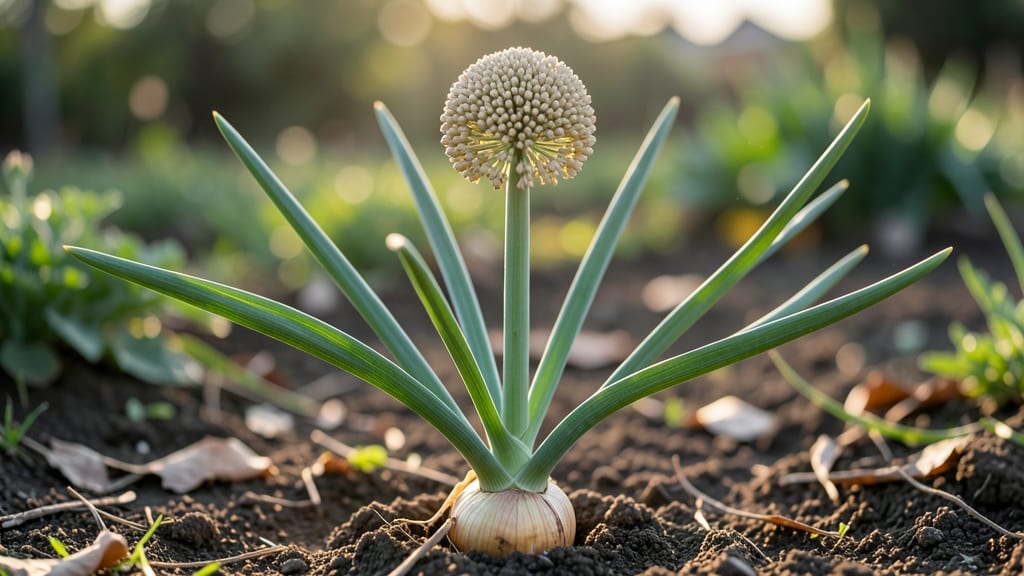
Harvesting onion seed pods without twisting saves you time and frustration—this method preserves viability for planting next season. 🌱 The key is knowing exactly when those pods are ready (they’ll turn brown and papery) and handling them gently to avoid crushing the tiny seeds inside.
I’ve grown onions from saved seeds for three years now, and the zero-twist approach cuts my work in half while keeping germination rates high.
You’ll need just three things: a clean, dry workspace, a paper bag for drying, and a small container for storage. The process is simple—snip the mature pods when they’re fully brown but before they shatter, then let them dry completely in a warm, dark spot.
Once dry, the seeds will rattle inside the pods, ready for storage in an airtight jar until planting time.
What you’ll end up with is a stash of seeds that produce onions just as vigorous as store-bought varieties. The plants might not be identical to the parent, but you’ll get reliable harvests with less expense.
Plus, saving seeds connects you to the full onion-growing cycle—from seed to bulb and back again.
This method works for all onion types, from sweet onions to storage varieties, and adapts to any climate. Whether you’re a beginner or a seasoned gardener, zero-twist harvesting makes seed saving effortless. Here’s how to do it step by step—no fancy tools required.
📚 In This Guide
- What you need
- Instructions
- Tips and common mistakes
- Wrapping up and next steps
What you need
- ● Onion seed pods: 1–2 mature, healthy Allium cepa or Allium fistulosum plants (ensure they’ve bolted and formed seed heads).
- ● Pruning shears or sharp scissors: 1 pair (sterilized to prevent disease transfer).
- ● Paper bags or breathable mesh sacks: 3–5 (for drying; avoid plastic to prevent moisture buildup).
- ● Labeling tags and markers: 1 set (to track varieties and harvest dates).
- ● Drying rack or screen: 1 (or a well-ventilated, shaded area).
- ● Air-tight storage containers: 2–3 (glass jars or resealable bags with silica gel packets for long-term preservation).
- ● Glove: 1 pair (to protect hands from sharp seed pods).
- ● Fan or dehumidifier: 1 (to speed up drying in humid climates).
- ● Seed cleaning tray or fine mesh sieve: 1 (for separating seeds from chaff).
- ● Thermometer/hygrometer: 1 (to monitor drying conditions—ideal temp: 60–75°F; humidity: 40–50%).
- ● A sunny, well-drained garden bed (or containers) with full sun exposure (6+ hours/day).
- ● Patience! Onion seed pods take 60–90 days to mature after bolting.
- ● Knowledge of your onion variety: Some (like short-day onions) bolt more reliably in specific climates.
Step-by-step guide to harvesting onion seed pods without twisting
Here's how to save viable onion seeds year-round using a gentle, twist-free method that preserves quality.
🌿 Step 1: Select and Prepare Mature Onion Plants
Choose healthy, disease-free onion plants that have formed fully browned seed pods on their stems. These pods should feel dry and papery to the touch, signaling they're ready for harvest. I always pick plants that have completed their full growth cycle—usually 90-120 days after transplanting—when the tops have yellowed and fallen over naturally.
Gently pull or cut the entire plant at the base, leaving the roots in the soil. Shake off excess soil but avoid washing the plants. Let them dry in a shaded, well-ventilated area for 1-2 days. This prevents moisture from causing the pods to rot during storage. You'll know they're ready when the pods rattle slightly when shaken.
🌱 Step 2: Harvest and Dry Seed Pods Properly
Remove the seed pods from the dried stems by hand, being careful not to crush them. Place the pods in a single layer on a clean, dry tray or paper towel. I like to use a mesh screen or paper bag with holes to allow airflow while keeping pods contained. Store this setup in a dry, dark place with temperatures between 60-70°F.
Leave the pods to dry for 2-3 weeks, stirring them gently every few days to ensure even drying. Properly dried pods will be completely hollow-sounding when shaken and will open slightly at the tip. If any pods remain moist or feel soft, extend the drying time—moisture is the enemy of seed viability. Discard any pods that show signs of mold or discoloration.
⏰ Step 3: Store Seed Pods for Long-Term Viability
Once fully dried, transfer the seed pods to airtight containers like glass jars or resealable plastic bags. I add a small packet of silica gel to absorb any remaining moisture inside the container. Label each container with the onion variety and harvest date—this helps track seed freshness, as onion seeds typically remain viable for 2-3 years when stored properly.
Store the containers in a cool, dark place, like a pantry or seed storage box. Check them periodically for signs of pests or moisture. If you notice any condensation inside the container or a musty smell, remove the pods immediately and dry them again before resealing. Proper storage ensures you'll have fresh, viable seeds ready for next season's planting.
🌱 Step 4: Test Seed Viability Before Planting
Before using your saved seeds, test their viability by placing 10-20 pods in a glass of water. Viable seeds will sink to the bottom within 10-15 minutes, while empty or non-viable seeds will float. Aim for at least 70% viability—if fewer seeds sink, your storage conditions may need adjustment or the seeds may be past their prime.
For a more hands-on test, plant a few seeds in a small pot with moist soil. Keep the soil consistently damp and place the pot in a warm, sunny spot. If 50% or more of the seeds sprout within 10-14 days, your saved seeds are ready for planting. If germination is poor, consider saving seeds from a more recent harvest or purchasing fresh ones for better results.
Tips & tricks for perfect onion seed pod harvesting
These simple strategies will help you preserve seed quality and avoid common pitfalls when saving onion seed pods.
Timing Secret: The 90-120 day window for harvesting is critical—this ensures the pods are fully mature but haven't started to shatter naturally. I've learned the hard way that harvesting too early means immature seeds, while waiting too long risks losing them to birds or weather. Watch for the tops to yellow and fall over as your visual cue.
Drying Wisdom: Those 2-3 weeks of drying might feel long, but patience pays off. Place your drying setup in a spot with consistent airflow—like near an open window with a fan blowing gently. I use a mesh screen over a cardboard box to create airflow from underneath while keeping pods contained. Stir them every 2-3 days to prevent mold spots from forming on the bottom layer.
Storage Strategy: The 60-70°F temperature range is ideal for long-term viability, but don't stress if your pantry runs slightly warmer. What matters most is keeping humidity low—those silica gel packets are your best friend. I've had great success storing pods in small mason jars with a few rice grains mixed in as a natural moisture absorber. Label each jar with the harvest date to track freshness.
Viability Test: The 10-15 minute water test is my favorite quick check. I like to use clear glasses so I can see which seeds sink immediately versus those that float. For the soil test, I keep a small seedling tray just for viability testing—it's worth the investment to know exactly what you're working with before planting your entire crop.
Pro Tips for Onion Seed Pods
- These simple strategies will help you preserve seed quality and avoid common pitfalls when saving onion seed pods.
- Timing Secret: The 90-120 day window for harvesting is critical—this ensures the pods are fully mature but haven't st...
- Drying Wisdom: Those 2-3 weeks of drying might feel long, but patience pays off. Place your drying setup in a spot wi...
Frequently asked questions
Got questions about harvesting and saving onion seed pods? You’re not alone!
Here are some of the most common queries—plus clear, actionable answers to help you master zero-twist seed saving like a pro.
When is the best time to harvest onion seed pods?
Harvest seed pods when they turn tan or light brown and start splitting open naturally—usually 60–90 days after flowering. Avoid harvesting if pods are still green (seeds won’t be viable) or fully dried and brittle (seeds may shatter). Morning harvests prevent humidity damage.
How long do harvested onion seed pods stay viable for storage?
Properly dried and stored seed pods retain viability for 2–4 years in a cool (35–45°F), dark, and dry place (like a sealed jar or envelope). Test germination annually by planting a few seeds—if <70% sprout, refresh your stock.
Can I use store-bought onions to grow new plants from seed pods?
No—store-bought onions are hybrids and won’t produce true-to-type seed pods. For reliable results, use open-pollinated heirloom varieties (like ‘Red Wethersfield’ or ‘Yellow Sweet Spanish’) or save seeds from homegrown onions grown from sets/seeds.
What should I do if my seed pods are infested with pests?
Prevent pests by removing volunteer onions (weeds that cross-pollinate) and using row covers during flowering. If pods are already infested, isolate affected plants, handpick pests, or spray with neem oil (safe for edibles). Discard heavily damaged pods.
Are onion seed pods safe to eat, or are they just for planting?
While immature onion seed pods (called "seed stalks") are edible (like scallions), mature pods are tough and bitter—best used for seeds. For culinary use, harvest pods when they’re green and tender (about 1–2 inches long) and sauté like greens.
Pro Tip:
Label everything!
Onion varieties cross-pollinate easily—tag each plant with its name and harvest date to avoid confusing seeds. Use colored twine or plant markers for visual clarity in your garden.
Wrapping up and next steps
Harvesting onion seed pods with the zero-twist method is a game-changer for gardeners looking to save seeds year-round—without the hassle! Whether you're a seasoned pro or a curious beginner, this technique ensures viable, high-quality seeds while keeping your garden thriving. 🌱✨
Now that you’re armed with the right tools, timing, and tips, it’s time to put your knowledge into action. Start small—try harvesting a few pods this season—and watch your seed-saving skills grow! Happy gardening!