
Size
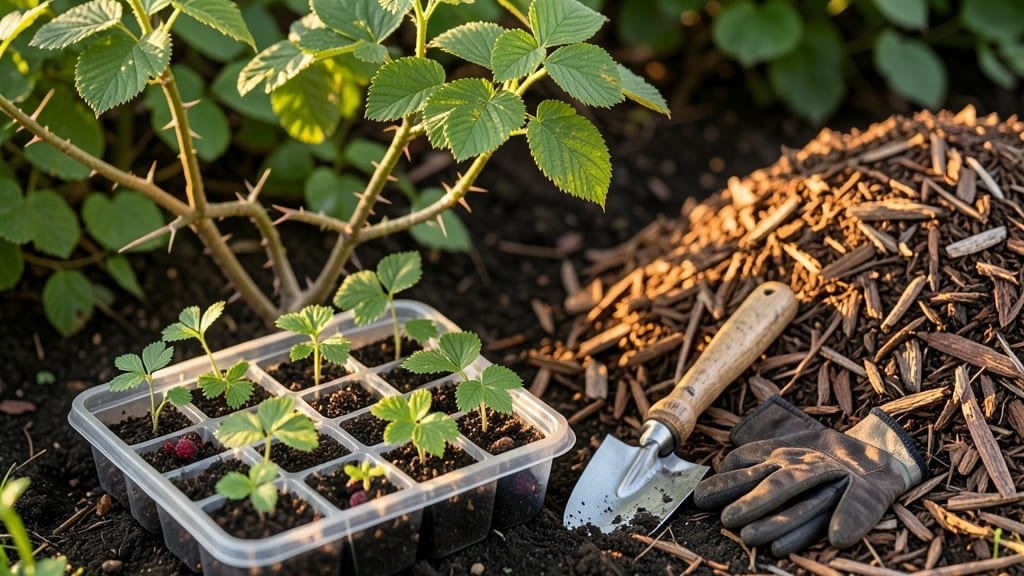
Growing raspberries from a raspberry seed to a garden full of thorny canes is a rewarding challenge—cold-stressed sprouts that surprise you with 60-day growth—but the payoff is worth the wait. 🌱 I’ve watched tiny seeds transform into thorny canes over two seasons, and the first berries taste like nothing store-bought can match.
The trick? Mimicking nature’s cold stratification in your own home.
You’ll need a humidity dome, well-draining soil mix, and a patience test—because these seeds take 3-6 weeks just to crack open. Once they sprout, keep them cool (50–60°F) for another 60 days before hardening off.
That’s when the real magic happens: vibrant green leaves and roots eager to claim their space in the garden.
By summer, you’ll have 3-foot canes ready to produce berries—though it might take 2-3 years for full harvests. The key is consistent moisture and partial shade during heatwaves. I’ve lost count of how many seedlings I’ve drowned or let dry out, but the ones that survive? They thrive.
This method works for heritage varieties you’ll never find at nurseries, and it’s perfect for small spaces or container gardens. Just remember: no shortcuts—the cold treatment is non-negotiable. Let’s get those seeds sprouting!
📚 In This Guide
- What you need
- Instructions
- Tips and common mistakes
- Wrapping up and next steps
What you need
- ● Raspberry seeds: 10–20 fresh, viable seeds (store-bought or harvested from ripe berries). Pro tip: 💡 Soak seeds in warm water for 24 hours to soften the shell and boost germination!
- ● Seed-starting mix: 1–2 cups of sterile, well-draining potting soil (look for "seed-starting" blends or mix 50% peat moss + 50% perlite).
- ● Containers: 2–4 small pots (3–4 inches wide) with drainage holes or a seed tray with individual cells.
- ● Plastic wrap or dome: A clear lid or plastic wrap to create a mini greenhouse effect.
- ● Grow lights or sunny windowsill: A south-facing window with 6+ hours of light daily or a 12–16" LED grow light (12–16 watts).
- ● Spray bottle: For gentle watering (avoid over-saturating seeds!).
- ● Refrigerator: A cold, dark space (like the crisper drawer) for stratification (required for raspberry seeds!).
- ○ Heat mat (optional but helpful): A seedling heat mat (50–75°F) to speed up germination after cold treatment.
- ● Tweezers: For delicate seed placement.
- ● Fertilizer: A balanced, water-soluble fertilizer (5-10-5 ratio) for seedlings.
- ● Transplanting tools: Small trowel or spoon for moving seedlings to larger pots.
- ● Garden journal: To track seedling progress and cold-stratification dates!
- ● Pest control: Insecticidal soap or neem oil (just in case tiny pests crash your party 🐜).
Step-by-step guide to growing raspberries from seed
Cold-stressed sprouts are the secret to strong raspberry plants—here’s how to coax them along in just 60 days.
🌱 Step 1: Stratify Seeds for Cold Treatment
Raspberry seeds need 6-8 weeks of cold stratification to break dormancy. Mix the seeds with damp sand or peat moss in a sealed container, then refrigerate at 34-40°F for the full period. I like to place a small label with the date on the container—this ensures you don’t forget and accidentally skip the cold treatment.
Check the mix weekly by opening the container just enough to feel moisture. If it feels dry, lightly mist with water and reseal. The goal is consistent dampness, not sogginess. After 6 weeks, remove the container and let it sit at room temperature for 2-3 days before sowing. This gradual warming mimics spring conditions and signals the seeds to sprout.
💧 Step 2: Sow Seeds in Light, Airy Soil
Fill 4-inch pots with a sterile seed-starting mix—never garden soil, as it’s too dense and may harbor diseases. Raspberries thrive in well-draining soil, so I add 20% perlite to the mix for extra aeration. Press the soil down lightly to remove air pockets, then moisten it until it’s damp but not saturated.
Sow 1-2 seeds per pot at a depth of ¼ inch, roughly the size of the seed itself. Cover lightly with a thin layer of soil, then mist gently with water until the surface is evenly moist. Place the pots in a clear plastic bag to retain humidity, but don’t seal it completely—you want airflow to prevent mold. Keep them in a warm, dark spot (like a cabinet) until germination, which typically takes 10-14 days.
☀️ Step 3: Provide Gradual Light and Harden Off
Once seedlings emerge, remove the plastic bag and move them to a bright, indirect light source—a south-facing window works well. Raspberries need 12-14 hours of light daily, so supplement with a grow light if natural light is insufficient. You’ll notice leggy growth if the light is too weak; this is a sign to adjust the setup immediately.
After 4-6 weeks, when seedlings have 2-3 sets of true leaves, begin hardening them off. Start by placing them outside in a shaded, sheltered spot for 1-2 hours the first day, gradually increasing exposure over 10-14 days. This prepares them for outdoor conditions and reduces transplant shock. By day 60, they should be ready to transplant into the garden or larger containers.
🪴 Step 4: Transplant and Support Young Plants
Choose a sunny location with 6+ hours of direct sunlight and well-draining soil. Raspberries prefer slightly acidic soil (pH 5.5-6.5), so amend the soil with compost if needed. Dig a hole twice as wide as the root ball but only as deep as the pot’s base—planting too deep can suffocate the roots.
Set the seedling in the hole, backfill with soil, and water deeply to settle everything. Install a trellis or support stake immediately, as raspberries grow tall and need structure. Mulch around the base with 2-3 inches of organic mulch to retain moisture and suppress weeds. Keep the soil consistently moist but not soggy for the first 2 weeks after transplanting—this helps the roots establish quickly.
Tips & tricks for growing raspberries from seed
Here's what nobody tells you about getting those tiny raspberry seeds to thrive—these tricks are the difference between a failed experiment and a thriving garden.
Cold Treatment Precision: The 6-8 weeks of cold stratification at 34-40°F is non-negotiable, but here's the secret: place your container in the crisper drawer of your fridge for more consistent temperatures. I've found that fridge temps stay rock-solid at 38°F, which is perfect for breaking dormancy. If you're impatient, you can extend the cold treatment to 8 weeks—this won't hurt and might help with germination rates. Just remember to check moisture weekly, as dried-out seeds won't sprout no matter how cold they are.
Soil Mix Science: When creating your seed-starting mix, I recommend using a 70% sterile mix to 20% perlite to 10% compost ratio. This gives your seedlings the perfect balance of aeration and nutrients. The perlite prevents compaction, while the compost provides just enough nutrients without overwhelming the tiny seedlings. Pro tip: Sterilize your pots by soaking them in a 10% bleach solution for 10 minutes, then rinse thoroughly before use—this prevents mold issues down the road.
Lighting Strategy: Those 12-14 hours of light are crucial, but quality matters more than quantity. If you're using artificial lights, position them just 2-3 inches above the seedlings—they'll stretch toward the light if they're too far away. I've had success with LED grow lights on a timer, but fluorescent bulbs work too. Watch for that telltale leggy growth (long, thin stems) and adjust immediately—it's a sign your plants are light-deprived.
Hardening Off Hack: The gradual hardening process is where many beginners fail. Start with just 1-2 hours of shade on day one, then increase by 30 minutes each day. I like to use a small pop-up tent or even a large cardboard box with ventilation holes to create a shaded area. This mimics natural conditions and prevents transplant shock. By day 10, your seedlings should be ready for full sun exposure—just watch for any signs of stress like wilting or yellowing leaves.
Pro Tips for Raspberry Seed Grow A Garden
- Here's what nobody tells you about getting those tiny raspberry seeds to thrive—these tricks are the difference between a failed experiment and a thriving garden.
- Cold Treatment Precision: The 6-8 weeks of cold stratification at 34-40°F is non-negotiable, but here's the secret: place your container in the crisper drawer of your fridge for more consistent temperatures.
- Soil Mix Science: When creating your seed-starting mix, I recommend using a 70% sterile mix to 20% perlite to 10% compost ratio.
Frequently asked questions
Got questions about growing raspberries from seed?
You’re not alone! Here are answers to the most common queries to help you avoid pitfalls and maximize your harvest—even if your sprouts are fighting the cold.
How long does it take for raspberry seeds to germinate?
Raspberry seeds can take 4–8 weeks to germinate, depending on temperature and moisture. Cold-stressed sprouts may take longer—keep them in a warm, humid environment (70–75°F) with consistent moisture. Patience is key! If nothing sprouts after 8 weeks, try soaking seeds in warm water for 24 hours before replanting.
Can I grow raspberries from seed in cold climates?
Yes, but with adjustments! Start seeds indoors 10–12 weeks before your last frost, then transplant seedlings outdoors after the soil warms to at least 50°F. Use row covers or cold frames for extra protection. Choose hardy varieties like ‘Boyne’ or ‘Nova’ for better cold tolerance.
Why aren’t my raspberry seedlings growing fast?
Slow growth is often due to cool temps, poor light, or weak seedlings. Move them to a sunny window or grow light (12–16 hours/day) and ensure pots have drainage. Overcrowding or weak seedlings (from poor germination) can also stunt growth—thin seedlings to 2 inches apart and fertilize lightly with diluted fish emulsion.
Will raspberries grown from seed produce fruit?
Most likely not the same variety as the parent plant—raspberries are not true-to-type from seed. Expect small, wild-type berries (often tart) unless you cross-pollinate seedlings or buy certified seeds. For reliable fruit, consider grafting or buying established plants.
What’s a faster alternative to growing raspberries from seed?
If you’re impatient, skip seeds and propagate from cuttings (root suckers or canes) or buy bare-root plants in early spring. For seed starters, try hybrid raspberry seeds (like ‘Heritage’ or ‘Autumn Britten’)—they’re bred for better fruit production but still require patience.
What do I do if my seedlings get moldy or leggy?
Mold (fuzzy white/green growth) means too much moisture—let soil dry slightly between waterings and improve airflow. Leggy seedlings need more light; rotate pots daily and add a grow light if natural light is weak. Trim leggy stems to encourage bushier growth and reduce transplant shock later.
Wrapping up and next steps
Growing raspberries from seed may feel like a slow dance with patience, but with the right care—especially during those chilly early days—you’ll soon be rewarded with vibrant, thriving plants in just 60 days! Cold-stressing your sprouts isn’t just science; it’s your secret weapon for stronger, faster growth.
Now that you’ve got the know-how, why not expand your garden’s potential? Start small with a few seeds, then scale up as confidence (and berries!) grow. Happy planting—your future raspberry patch is waiting! 🌱✨