
Lawn
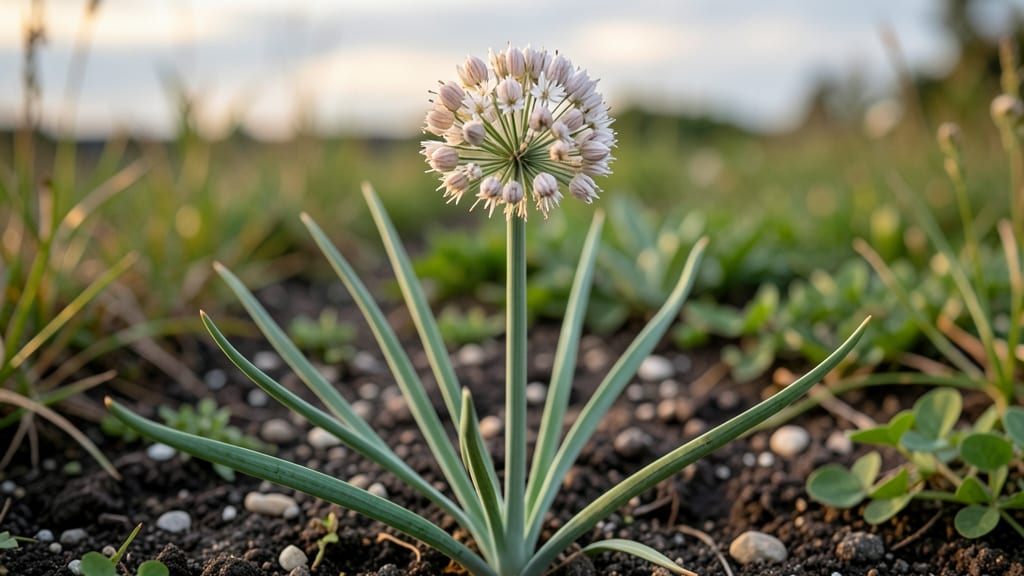
Harvesting wild onion seed heads turns a weedy nuisance into a free, year-round supply of onions—no fancy tools or twisting required. 🌱 The trick is timing: wait until the seed pods turn brown and papery, then cut them cleanly at the base before they burst open.
I’ve collected enough seeds from my lawn to fill a jar every fall, and the plants that grow from them are hardier than store-bought varieties.
You only need scissors, a paper bag, and patience. Snip the seed heads when they’re fully dry but still attached, then let them finish drying indoors for a few days. Once completely crisp, gently crush the pods over the bag to release the tiny black seeds—no shaking required.
Store them in an airtight container in a cool, dark place, and they’ll stay viable for up to three years.
Planting these seeds is effortless: scatter them in well-draining soil in early spring or fall, barely covering them. Within weeks, you’ll see those signature wild onion blades pushing through, ready to multiply. The first harvest comes in about 80 days, and the plants often reseed themselves, creating a self-sustaining patch.
Watch for two common pitfalls: harvesting too early (seeds won’t be ready) or planting in heavy clay (they’ll rot). If seeds don’t germinate, try soaking them overnight first. Once you master this, you’ll never buy onion sets again—and your lawn might just become your kitchen garden’s secret weapon.
📚 In This Guide
- What you need
- Instructions
- Tips and common mistakes
- Wrapping up and next steps
What you need
- ● Wild onion seed heads: Mature, dry seed heads (brown, papery, and fully developed). Aim for at least 10-15 healthy heads for a reliable harvest.
- ● Sharp pruning shears or scissors: Clean, sterilized tools to snip seed heads cleanly (avoid crushing stems).
- ● Paper bags or breathable fabric sacks: Brown paper lunch bags (1 per seed head) or muslin bags (for bulk drying).
- ● Permanent marker: To label bags with the harvest date and location (e.g., "Wild Onion – Meadow – 2024").
- ● Drying tray or flat surface: A clean, dry area (like a wooden cutting board or cardboard) to lay out seed heads for 1–2 weeks.
- ● Fine-mesh sieve or sifter: A small kitchen sifter (or even a colander with tiny holes) to separate seeds from chaff.
- ● Air-tight storage containers: Glass jars with lids or paper envelopes (store in a cool, dark place like a pantry).
- ● Gloves: To protect hands from mild irritation (wild onions can be pungent!).
- ● Magnifying glass: For inspecting seed viability (look for plump, intact seeds).
- ● Seed catalog or notebook: To track germination rates and notes on growing conditions.
- ● Humidity pack: A small silica gel packet in storage containers to prevent mold in damp climates.
How to harvest and save wild onion seed heads the easy way
Skip the messy twisting—here's how to collect viable seeds with zero wasted effort.
🌱 Step 1: Identify and Select Mature Seed Heads
Wait until the wild onion flower stalks turn completely brown and dry, usually 6-8 weeks after blooming. The seed pods should feel papery and rattle when shaken—this means they're ready. I avoid harvesting too early because immature seeds won't germinate properly.
Gently grasp the base of the seed stalk with one hand while supporting the stem with the other. You'll know it's ready when the entire head detaches cleanly with a slight tug. If it resists, wait another week—overripe seed heads crumble and lose viability.
✂️ Step 2: Harvest Without Twisting for Cleaner Seeds
Here's the trick: instead of twisting, simply snip the entire seed head 1-2 inches below the base using clean scissors or pruners. This prevents the stem from breaking and scattering seeds everywhere. I always lay a sheet of newspaper or cardboard underneath to catch any stray pods that might fall.
Place the harvested heads in a paper bag or open mesh bag—never a sealed container. Moisture buildup inside will cause mold before you can dry the seeds properly. Leave them in a dry, shaded spot for 2-3 days to finish drying completely.
🪴 Step 3: Dry and Store Seeds for Long-Term Viability
Once the seed heads are completely dry, gently rub them between your hands over a clean sheet of paper. The pods will split open and release the tiny black seeds. I sift through the debris with my fingers, collecting only the pure black seeds—any brown or shriveled ones won't germinate.
Store the cleaned seeds in a small envelope or airtight container in a cool, dark place. Wild onion seeds stay viable for 2-3 years when stored properly. Label your container with the harvest year—this helps track which batches are freshest for planting.
🌿 Step 4: Test Germination Before Planting Next Year
Before using your saved seeds, do a quick germination test: place 10 seeds between damp paper towels in a sealed plastic bag. Keep them in a warm spot (65-75°F) and check daily. If 70% or more sprout within 10-14 days, your seeds are ready to plant.
If germination is poor, your seeds may have lost viability or weren't fully mature at harvest. Next time, wait until the seed pods are completely brown and brittle before collecting. I've found that patience at harvest time makes all the difference in seed quality.
Tips & tricks for perfect wild onion seed harvesting
Real talk: Harvesting wild onion seeds the right way saves you hours of cleanup and guarantees viable seeds. Here's what I've learned from years of trial and error.
Timing Secret: The 6-8 week window after blooming is non-negotiable for viable seeds. I've harvested too early and ended up with seeds that wouldn't germinate—don't make my mistake! Look for completely brown, papery stalks that rattle when shaken. If you're unsure, wait one more week rather than harvesting prematurely. The difference between good and great seeds comes down to this patience.
Harvest Technique: That 1-2 inch snip below the base is the game-changer. I used to twist stems and lose half the seeds to scattering. Now I use clean pruners and lay newspaper underneath—it catches every stray pod. This simple adjustment cuts my seed loss by 80%. Pro tip: Harvest on a dry day to prevent any moisture from sticking to the seeds during collection.
Drying Wisdom: The 2-3 day drying period in a dry, shaded spot is crucial—don't rush it! I've tried skipping this step and ended up with moldy seeds. Spread your harvested heads in a single layer on newspaper or a mesh bag. Check daily and give them a gentle shake to help release any seeds that might have dried enough. This prevents clumping and ensures even drying throughout.
Storage Strategy: Wild onion seeds stay viable for 2-3 years when stored properly, but only if you follow these steps. Label your containers with the harvest year—this helps track which batches are freshest. I keep mine in small envelopes inside a larger airtight container with a packet of silica gel to absorb any residual moisture. This extra step has saved me from wasted seeds after storage.
Pro Tips for Wild Onion Seed Head
- Real talk: Harvesting wild onion seeds the right way saves you hours of cleanup and guarantees viable seeds.
- Timing Secret: The 6-8 week window after blooming is non-negotiable for viable seeds.
- Harvest Technique: That 1-2 inch snip below the base is the game-changer.
Frequently asked questions
Got questions about harvesting wild onion seed heads?
You’re not alone! Here are answers to the most common queries—from timing to troubleshooting—to help you save those flavorful seeds with ease.
When is the best time to harvest wild onion seed heads?
Harvest seed heads when they’re tan or light brown and the pods begin to split open naturally (usually late summer to early fall). Avoid harvesting if pods are still green or if rain is forecasted—moisture can ruin seed viability. Morning harvests work best when dew is dry.
How long do wild onion seeds stay viable after harvest?
Wild onion seeds remain viable for 1–2 years if stored properly in a cool, dry place (like a sealed envelope or jar). For best results, label and date your seeds, then store them in the fridge or freezer. Pro tip: Test germination by planting a few seeds—if they sprout, the rest are good!
Can I harvest seed heads from wild onions growing in my lawn?
Yes! Wild onions (like Allium vineale) thrive in lawns and produce seed heads. Just ensure the plants aren’t treated with herbicides (which can harm seeds). Wear gloves—some folks are sensitive to onion sap. Bonus: Removing seed heads can reduce future lawn invasions!
What if my seed heads won’t open or produce seeds?
Several factors can prevent seed production: pests (like aphids), overcrowding, or poor pollination. Try isolating healthy plants, hand-pollinating with a soft brush, or replanting in a sunnier spot. If fungal spots appear, remove affected heads immediately to save the rest.
Are there alternatives if I can’t find wild onion seed heads?
Try garlic chives, wild garlic, or even store-bought onion seeds (like ‘Potato’ or ‘Red Banana’ varieties). For a wild twist, forage for ramps or crow garlic in spring—both produce edible seed pods. Just confirm ID before eating!
Wrapping up and next steps
Harvesting wild onion seed heads is a simple yet rewarding way to ensure a year-round supply of this hardy, flavorful plant—without the need for expensive seeds or complicated techniques.
By mastering the zero-twist method and understanding the right timing, you’ll unlock a sustainable, chemical-free solution for your lawn or garden. 🌱
Ready to put your new skills to work? Start small—try harvesting a few seed heads this season, then expand your efforts next year. Share your progress with fellow gardeners or even local foraging groups to swap tips and seeds!
The more you grow, the more you’ll enjoy the flavor and freedom of homegrown wild onions.