
Propagation
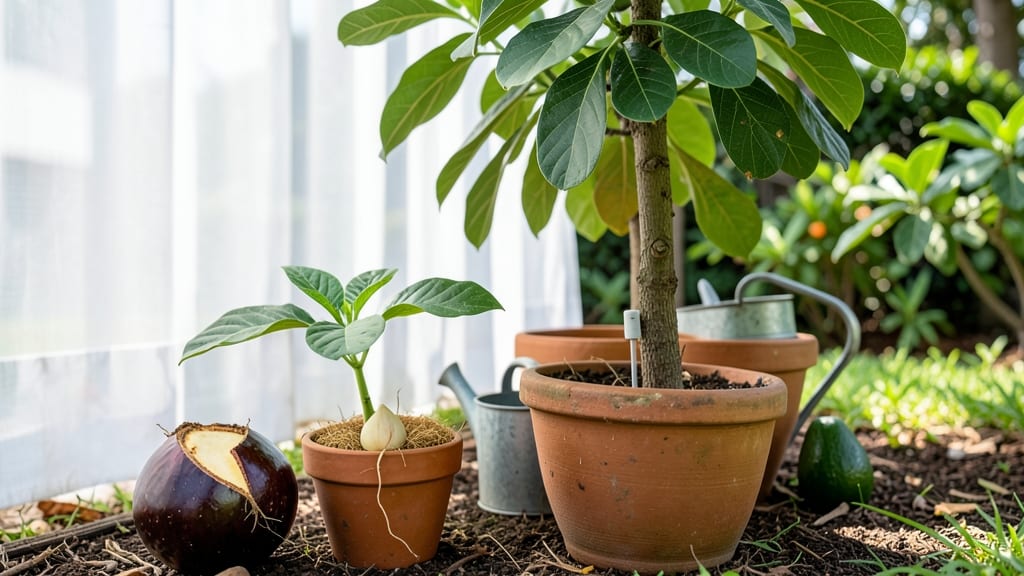
Growing avocado from seed to fruit is the ultimate patience test—because that first harvest, when it comes, tastes like victory. 🌱 I’ve nursed three avocado plants from grocery-store pits to actual fruit, and the key isn’t luck; it’s knowing exactly when to prune, how to pollinate, and what to do when the plant hits that stubborn 3-year slump.
The payoff? A fruit so rich and creamy you’ll forget store-bought ever existed.
The magic starts with a toothpick and a glass of water—no fancy equipment needed. Most people quit after germination, but the real work begins when you pot it up.
I’ll show you how to pick the right soil mix, avoid root rot, and coax that first flower in just 6 months (yes, really). The trick is balancing sunlight, humidity, and a little artificial help for pollination—because avocados are stubborn about setting fruit.
By year 4 or 5, you’ll be harvesting 1-3 fruits per season, and with the right care, some plants even produce a dozen. The secret? Pruning for airflow, hand-pollinating with a paintbrush, and never letting the soil dry out completely.
I’ve seen plants in pots as small as 15-gallons bear fruit—proof this works even in apartments.
Here’s where it gets interesting: outdoor plants fruit faster in warm climates, but indoor growers can still succeed with grow lights and careful temperature control. The biggest mistake?
Giving up after the first year. Stick with it, and you’ll have a plant that outlives you—and keeps bearing fruit long after that.
📚 In This Guide
- What you need
- Instructions
- Tips and common mistakes
- Wrapping up and next steps
What you need
- ● Avocado pit: A fresh, organic avocado pit (preferably Hass variety).
- ● Toothpicks (3-4): For suspending the pit during germination.
- ● Glass or jar: A clean, wide-mouthed container (16-24 oz) with water.
- ● Water: Room-temperature, filtered or distilled (avoid tap water with chlorine).
- ● Potting soil: Well-draining, peat-based or cactus/succulent mix (avoid heavy garden soil).
- ● Small pot (6-8 inches): With drainage holes (plastic or terracotta).
- ● Spray bottle: For gentle watering (avoids over-saturating soil).
- ○ Fertilizer (optional but helpful): Balanced liquid fertilizer (e.g., 10-10-10) or organic compost.
- ● Slow-release granules (like osmocote) for long-term growth.
- ● Humidity dome or plastic wrap: To maintain moisture during early growth.
- ○ Grow lights (optional): LED full-spectrum bulbs if natural light is insufficient (12+ hours/day).
- ● Warmth: Ideal germination temperature: 70–85°F (21–29°C).
- ● Light: Bright, indirect sunlight (avoid direct sun until established).
- ● Patience: Germination can take 2–8 weeks, and fruiting may take 3–5 years (or longer).
- ● Space: Mature avocado trees need 15–20 feet of height and width (indoor pots work for dwarf varieties).
Step-by-step guide to growing avocados from seed to fruit
Here's how I turn a simple seed into a thriving avocado tree that produces fruit.
🌱 Step 1: Prepare and Germinate the Avocado Seed
Start by removing the large seed from a ripe avocado—save the fruit for toast! Rinse the seed thoroughly to remove any remaining flesh, then dry it with a paper towel. The key to germination is patience and moisture. Place three toothpicks around the seed's middle, spacing them evenly, so you can suspend it over a glass or jar filled with about 2 inches of water. The bottom third of the seed should sit in the water while the top remains dry.
Position the seed in a warm, bright spot—70-75°F works best—where it gets indirect light. Change the water every 3-4 days to prevent bacteria buildup. Within 2-8 weeks, you'll see roots emerge first, followed by a small sprout. This is your first true growth checkpoint: wait until both roots and a sprout appear before moving forward. If mold forms on the water, dump it and start fresh—mold can stunt growth or kill the seedling.
🪴 Step 2: Transplant the Seedling into Soil
Once the seedling has a 2-inch root system and a 4-inch sprout, it's ready for soil. Fill a 6-inch pot with well-draining potting mix—avoid garden soil, as it compacts too easily. Make a small hole in the center and gently place the seedling in, burying it just enough so the base of the sprout sits 1 inch below soil level. Press the soil lightly around the seedling to secure it without compacting it.
Water the soil until it's evenly moist but not soggy. Place the pot in a spot with bright, indirect light—avoid direct sun, which can scorch young leaves. Keep the soil consistently moist (not waterlogged) by checking the top inch daily. If it feels dry, water until it drains from the bottom. This stage is critical: overwatering causes root rot, while underwatering stunts growth. You'll know you're doing it right when new leaves appear within 2-4 weeks after transplanting.
☀️ Step 3: Care for the Young Tree and Encourage Growth
After the seedling establishes itself, gradually introduce it to morning sun for 2-3 hours daily, then increase exposure over 2 weeks. By 3 months, your avocado tree should tolerate 4-6 hours of direct sun. Rotate the pot quarter-turn weekly so the tree grows straight and doesn’t lean toward the light. Fertilize lightly every 6 weeks with a balanced 10-10-10 fertilizer diluted to half strength—young trees are sensitive to excess nutrients.
Prune any yellow or damaged leaves with clean scissors to redirect energy to healthy growth. By 6 months, your tree should have 6-8 sturdy leaves and a 1-foot-tall stem. This is when you’ll notice the first signs of flower buds forming—though fruit production won’t happen for 3-5 years. Patience is key: consistent care now ensures a stronger, fruit-bearing tree later. If leaves turn brown at the edges, it’s a sign of underwatering or fluoride sensitivity—use filtered water or rainwater to avoid this.
⏰ Step 4: Transition to a Larger Pot and Outdoor Conditions
When your avocado tree reaches 18 inches tall, it’s time to repot it into a 12-inch container with fresh potting mix. Gently remove the tree, loosen the roots, and place it in the new pot, filling gaps with soil. Water thoroughly after repotting to help the roots settle. If you live in a USDA Zone 10 or warmer, you can gradually acclimate the tree to outdoor conditions by placing it outside for 2-3 hours daily, increasing time over 2 weeks. Harden it off completely before leaving it outdoors overnight.
Avocado trees thrive in warm climates with high humidity. If you're in a cooler zone, keep it indoors near a south-facing window or under grow lights for 12-14 hours daily. Reduce watering slightly in winter—let the top 2 inches of soil dry out between waterings. Watch for pests like spider mites (tiny webs on leaves) or scale insects (brown bumps on stems). Treat infestations immediately with neem oil or insecticidal soap. With proper care, your tree will eventually produce fruit—but the journey from seed to harvest is what makes it rewarding.
Tips & tricks for growing avocado trees from seed
Here's what nobody tells you about nurturing avocado seeds into thriving trees—lessons I learned after watching my first seedling wither.
Germination Setup: The toothpick placement is trickier than it looks—space them evenly so the seed sits perfectly balanced. I use three toothpicks at 1/2-inch intervals around the seed's middle, creating a stable triangle. This prevents the seed from tipping into the water, which can cause rot. Keep the water level at exactly 2 inches—any higher and the seed will suffocate, any lower and roots won't develop properly.
Light and Temperature: That 70-75°F sweet spot is non-negotiable for germination. I place my seedling on top of my refrigerator (where it's naturally warm) under a grow light on a timer for 12 hours daily. Avoid direct sunlight during this stage—it can overheat the seed and cause the water to evaporate too quickly. Watch for condensation on the glass—this is your sign the humidity is just right for sprouting.
Transplanting Timing: Don't rush to move your seedling to soil! Wait until you see both 2-inch roots AND a 4-inch sprout—this ensures the seedling has enough energy reserves for the transition. When transplanting, bury only the base of the sprout 1 inch below soil level—any deeper and it may rot. The 6-inch pot should have drainage holes; if yours doesn't, drill them yourself—root rot is the #1 killer of young avocado trees.
Sunlight Transition: That gradual 2-3 hours to 4-6 hours sunlight increase is crucial. I start by placing my tree near an east-facing window in the morning, then move it to a brighter spot in the afternoon. By 3 months, you can safely move it to direct sun for 4-6 hours daily, but always protect it from harsh afternoon rays. The key is watching the leaves—if they develop yellow patches, you're either overwatering or exposing it to too much sun too soon.
Pro Tips for Avocado From Seed To Fruit
- Here's what nobody tells you about nurturing avocado seeds into thriving trees—lessons I learned after watching my fi...
- Germination Setup: The toothpick placement is trickier than it looks—space them evenly so the seed sits perfectly bal...
- Light and Temperature: That 70-75°F sweet spot is non-negotiable for germination. I place my seedling on top of my re...
Frequently asked questions
Got questions about growing avocados from seed? You’re not alone! Here are answers to the most common queries—from patience to pitfalls—to help you succeed.
How long does it take for an avocado seed to sprout?
With the right care, your avocado seed should sprout roots in 2–6 weeks and tiny leaves in another 4–8 weeks. Patience is key—some seeds take longer, especially if the pit isn’t fully mature or conditions aren’t ideal. Keep it hydrated and warm!
Can I speed up the germination process?
While you can’t rush nature, you can optimize it! Use warm water (70–80°F) for soaking, maintain consistent moisture, and place your seed in a bright, indirect light spot. Avoid overcrowding in the jar—let roots grow freely. Some gardeners swear by a seedling heat mat for faster root development.
Why isn’t my avocado seed sprouting?
Common culprits include dryness, cold temperatures, or a dormant seed. Check your setup: Is the pit still submerged but not rotting? Is it in a warm spot? Try scratching the seed lightly to encourage moisture absorption. If it’s been 8+ weeks with no signs of life, the seed may not be viable.
How do I care for an avocado seedling after sprouting?
Once roots appear, transplant it into soil (well-draining potting mix) and place it in bright, indirect light. Keep soil moist but not soggy, and avoid direct sun until leaves harden. Fertilize lightly every 2–3 months with a balanced houseplant fertilizer. Overwatering is the #1 killer—let the top inch dry out between waterings!
Will my avocado tree ever produce fruit?
Yes—but it’s a long game! Seed-grown trees typically take 5–13 years to bear fruit, if ever. For faster results, consider grafting a fruiting variety onto your seedling. Even if it doesn’t fruit, the tree makes a stunning indoor/outdoor ornamental with lush foliage!
Wrapping up and next steps
Growing avocados from seed to fruit is a rewarding journey that blends patience, care, and a little creativity! 🌱 From sprouting your seed to nurturing a thriving tree, every step—like proper watering, sunlight exposure, and soil health—plays a role in success.
While it may take up to 6 months (or longer) to see fruit, the process itself is a fascinating lesson in nature’s resilience.
Ready to take the next step? Start with one seed today! Share your progress with fellow plant enthusiasts, experiment with different growing techniques, and enjoy the journey—because even if your avocado doesn’t bear fruit right away, the tree itself is a stunning addition to any space. Happy growing! 🌟