
Lawn
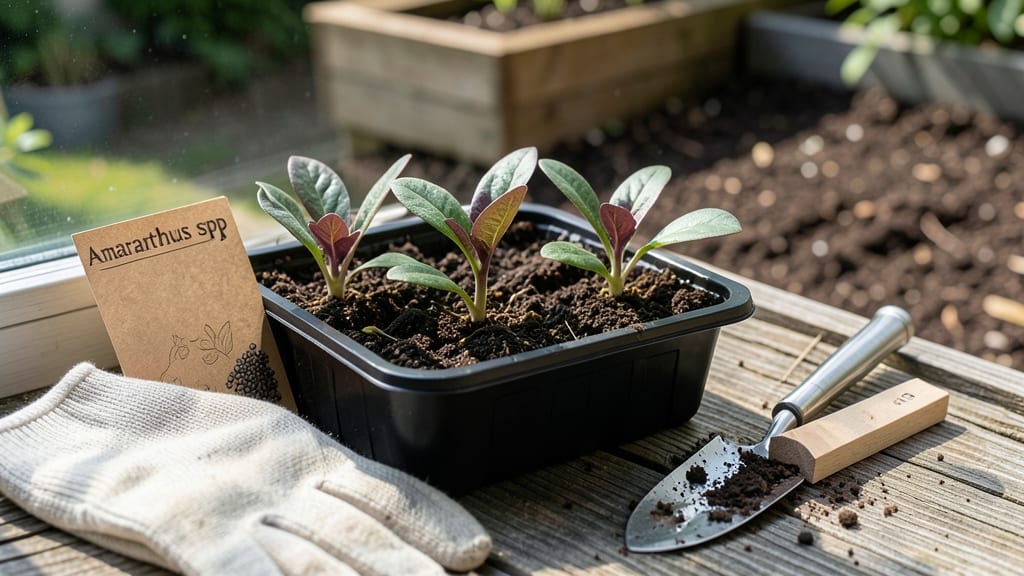
Planting amaranth seeds unlocks a crop that thrives where others fail—drought, heat, even poor soil. 🌱 I learned the hard way that these zero-twist pods (the seed packets) hold the secret to reliable harvests, whether you're growing for vibrant greens, nutritious grains, or striking ornamental foliage.
The key? Timing, soil, and a little patience that pays off with bold, lush plants in just 60 days.
Start with well-draining soil—amaranth hates soggy roots—and sprinkle seeds ½ inch deep, 12 inches apart in rows. They germinate fast (3-7 days), so keep soil consistently moist but never waterlogged. Full sun (6+ hours daily) is non-negotiable, and once established, they’re shockingly drought-tolerant.
The real magic happens when those first deep green leaves appear—proof you’ve cracked the code for a plant that keeps giving.
Harvest begins when leaves reach 6-8 inches (for greens) or when seed heads turn crisp (for grains). Snip outer leaves first to encourage bushier growth, or let seed pods mature fully for nutrient-dense grains that store like quinoa.
Avoid overcrowding—thin seedlings early to prevent disease. With these steps, you’ll go from seed to harvest in two months, even in tough conditions.
Works for edible, ornamental, or grain varieties, and scales from containers to full garden beds. The pods themselves are your fail-safe: no twisting, no fuss—just reliable plants that reward your effort with year-round potential in warm climates. Ready to grow?
📚 In This Guide
- What you need
- Instructions
- Tips and common mistakes
- Wrapping up and next steps
What you need
- ● Amaranth seeds: 1–2 lbs (organic, non-GMO preferred for best results). Look for varieties like ‘Red Garnet’ or ‘Black Mexican’ for zero-twist pods.
- ● Well-draining soil: 1–2 cubic yards (mix of garden soil, compost, and perlite/sand for aeration). Aim for a pH of 6.0–7.5.
- ● Containers or garden bed: Containers: 5–10 gallon pots (with drainage holes) for small-scale growing.
- ● Garden bed: 3’ x 3’ plot (minimum) for direct sowing.
- ● Watering can or hose: With a gentle spray nozzle to avoid disturbing seedlings.
- ● Fertilizer: Balanced organic fertilizer (10-10-10 or compost tea) for transplanting.
- ○ Row covers or netting: Optional but helpful for pest protection (especially in early stages).
- ● Seedling trays: For starting indoors 2–3 weeks before last frost.
- ● Trellis or stakes: If growing tall varieties (4–6 ft), use bamboo stakes or wire trellises.
- ● pH test kit: To monitor soil acidity/alkalinity for optimal growth.
- ● Pruning shears: For harvesting pods and trimming excess foliage.
- ● Drip irrigation system: Automates watering for consistent moisture (great for year-round harvests!).
Step-by-step instructions for planting amaranth seeds
Here's how to grow robust amaranth plants with minimal fuss—ideal for both beginners and seasoned gardeners.
🌱 Step 1: Prepare the Planting Site or Containers
Amaranth thrives in warm soil, so wait until after the last frost when temperatures consistently stay above 60°F. Choose a location with full sun—at least 6-8 hours daily. If planting in containers, use pots with drainage holes and fill them with well-draining potting mix (avoid garden soil, which can compact and stunt root growth).
For in-ground planting, loosen the soil to a depth of 12 inches and mix in a handful of compost. Amaranth loves fertile, slightly sandy soil—this prevents waterlogging, which can lead to root rot. If your soil is heavy clay, amend it with 1-2 inches of coarse sand or perlite to improve drainage.
🌱 Step 2: Sow Seeds at the Right Depth and Spacing
Plant seeds ½ inch deep—any deeper, and they’ll struggle to break through the soil. Space seeds 12-18 inches apart in rows 18-24 inches apart to give plants room to grow. For containers, plant 2-3 seeds per 12-inch pot, thinning to the strongest seedling once they’re 3-4 inches tall. I like to use a small stick or pencil to poke holes in the soil for even spacing.
Once planted, gently press the soil around the seeds to ensure good seed-to-soil contact. Water lightly but thoroughly—1 inch of water—to settle the soil without displacing the seeds. Avoid overwatering; amaranth seeds rot easily if kept too damp. The first true leaves should appear in 7-14 days, depending on temperature.
☀️ Step 3: Maintain Consistent Water and Light
Amaranth is drought-tolerant once established, but young plants need 1-1.5 inches of water weekly. Water at the base of the plant in the morning to prevent fungal diseases. You’ll know moisture is right when the soil feels damp 2 inches below the surface—not soggy, not bone-dry. Mulch with 2-3 inches of straw or grass clippings to retain moisture and suppress weeds.
Keep plants in full sun—they’ll bolt (flower prematurely) if deprived of light. If growing indoors, supplement with a grow light for 14-16 hours daily. You’ll see leggy growth if light is insufficient, with stems stretching toward the source. Strong plants have deep green, upright leaves and thick stems—a sign they’re thriving.
✂️ Step 4: Thin and Harvest for Continued Growth
When seedlings reach 4-6 inches tall, thin them to 12 inches apart to reduce competition. Use scissors to snip unwanted plants at the base—this prevents disturbing roots and keeps the soil intact. Harvest leaves when they’re 6-8 inches long by pinching them off just above a leaf node. This encourages bushier growth and prevents bolting.
For seed production, allow some plants to flower and form seed pods. Amaranth seed heads are striking—red, green, or gold—and can be dried for future planting. If you’re growing for greens, harvest regularly to keep plants producing tender leaves. I harvest every 2-3 days in peak season to ensure a steady supply.
⏰ Step 5: Extend the Season with Proper Care
Amaranth is a warm-season crop but can be overwintered in mild climates. In cooler areas, grow it as an annual or start seeds indoors 8-10 weeks before the last frost. For year-round harvests, succession plant every 2-3 weeks—this ensures a continuous supply of fresh greens. In late fall, cut back plants to 6 inches tall and mulch heavily to protect roots from frost.
Watch for pests like aphids or spider mites, which thrive in dry conditions. Spray plants with neem oil or a soapy water solution if you spot infestations. With consistent care, amaranth plants can produce for 3-4 months, making them one of the most reliable greens in the garden.
Tips & tricks for planting amaranth seeds
Here's what nobody tells you about growing amaranth—tricks that'll keep your plants thriving from seed to harvest.
Soil Preparation Secret: Before planting, mix a handful of compost into the top 12 inches of soil. Amaranth loves fertile ground, but it also needs excellent drainage—if your soil is heavy clay, blend in 1-2 inches of coarse sand or perlite to prevent waterlogging. I've seen plants wither when roots can't breathe, so don't skip this step if your garden soil feels compacted.
Seedling Spacing Strategy: The 12-18 inch spacing between plants might seem generous, but it's crucial for air circulation. Crowded plants develop fungal issues faster and produce smaller leaves. For containers, stick to 2-3 seeds per 12-inch pot—any more, and you'll be fighting for space. I use a ruler to mark planting spots in advance to ensure perfect spacing every time.
Watering Wisdom: That 1 inch of water after planting isn't just about settling the soil—it's about creating the right moisture level for germination. Too much water causes rot, while too little prevents sprouting. Check soil moisture by pressing your finger 2 inches deep—it should feel damp, not wet. Once established, amaranth's drought tolerance kicks in, but young plants need consistent moisture to prevent stress.
Harvesting Hack: When leaves reach 6-8 inches, pinch them off just above a leaf node to encourage bushier growth. This method also prevents bolting—the plant's natural tendency to flower prematurely. I harvest every 2-3 days during peak season to maximize yield, but never take more than 1/3 of the plant's leaves at once. The plants reward you with new growth within days!
Pro Tips for Amaranth Seed Planting
- Here's what nobody tells you about growing amaranth—tricks that'll keep your plants thriving from seed to harvest.
- Soil Preparation Secret: Before planting, mix a handful of compost into the top 12 inches of soil. Amaranth loves fer...
- Seedling Spacing Strategy: The 12-18 inch spacing between plants might seem generous, but it's crucial for air circul...
Frequently asked questions
Got questions about growing amaranth seeds?
You’re not alone! Here are some of the most common concerns—plus clear, actionable answers to help you plant with confidence.
When is the best time to plant amaranth seeds for a year-round harvest?
Amaranth thrives in warm soil, so wait until after the last frost (when nighttime temps stay above 50°F/10°C). For year-round harvests, plant in early spring (for summer crops) and late summer (for fall/winter harvests in mild climates). In colder zones, use containers to overwinter plants indoors with grow lights.
How long does it take for amaranth seeds to germinate and mature?
Germination happens in 7–14 days (soak seeds overnight for faster sprouting). Mature plants (ready for harvest) take 50–60 days for leafy greens or 90–120 days for grain pods. Pro tip: Thin seedlings to 12–18 inches apart to avoid overcrowding and speed up growth!
Can I grow amaranth in containers, or does it need a garden bed?
Amaranth adapts well to containers 12+ inches deep (use well-draining soil). For grain varieties, opt for larger pots (18+ inches) or grow bags. Place containers in full sun (6+ hours/day) and keep soil consistently moist. Bonus: Container-growing makes it easy to move plants indoors during frost.
What pests or diseases should I watch for, and how do I prevent them?
Amaranth is pest-resistant, but watch for aphids, spider mites, or leaf miners. Prevent issues with:
- Neem oil spray (weekly preventive treatment).
- Row covers to block pests early.
- Crop rotation to avoid soil-borne diseases.
Do amaranth seeds need special care in hot or cold climates?
In hot climates, mulch soil to retain moisture and plant in partial shade during peak afternoon sun. In cold climates, use black plastic mulch to warm soil or start seeds indoors 4–6 weeks before the last frost. Hardy tip: Some varieties (like ‘Joseph’s Coat’) tolerate light frosts—test your plants gradually!
Wrapping up and next steps
Planting amaranth seeds is your ticket to a nutrient-rich, low-maintenance harvest that thrives year-round with the right techniques! 🌱 Whether you're growing for food, foraging, or simply adding greenery to your garden, these zero-twist pods ensure reliable germination and growth.
Now that you’re equipped with the how-to and what-to-expect, it’s time to roll up your sleeves and get planting—your future harvests are waiting!
Start small with a test patch to refine your method, then scale up as confidence grows. Happy gardening—and enjoy the rewards of your hard work! 🌿